Targeting the Skills Gap: How Workforce Training Eases the Burden
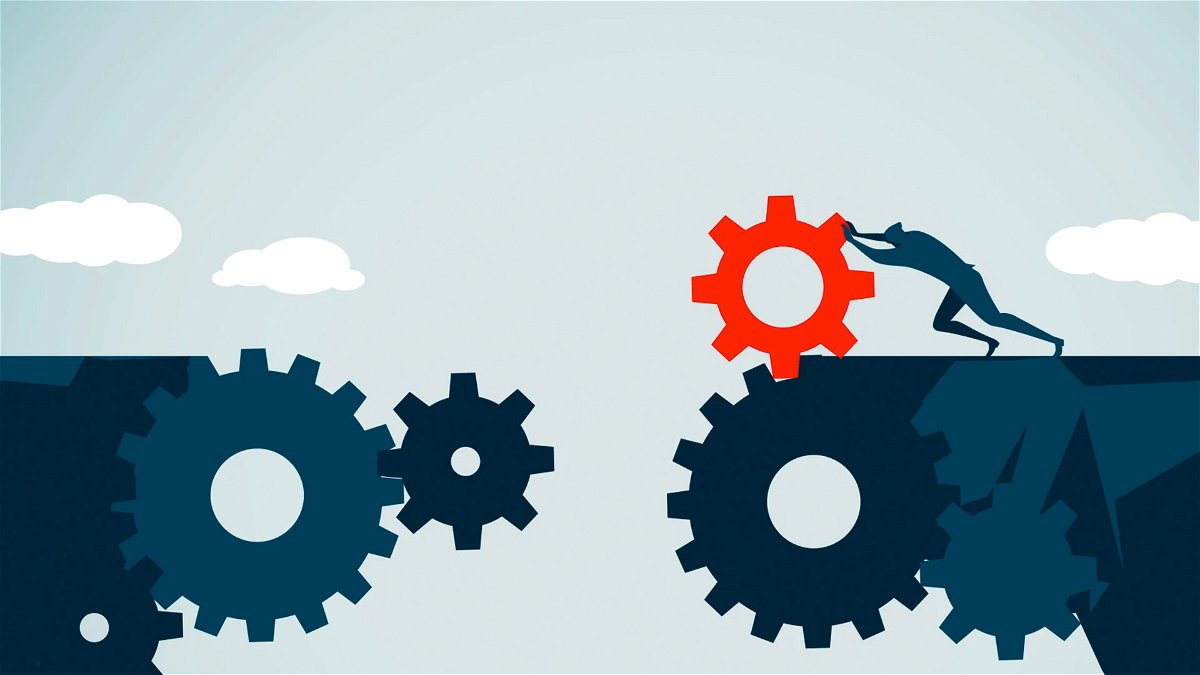
The manufacturing industry’s inability to land skilled employees to fill open position creates a Pandora’s box of problems

The manufacturing industry’s inability to land skilled employees to fill open position creates a Pandora’s box of problems
It is essential to acknowledge the profound impact mental health has on the workplace.
It is essential to acknowledge the profound impact mental health has on the workplace.
Gone are the days of occasionally adding a slide or two to an already painful presentation as new regulations emerge. Effective training requires an investment, and doing the minimum to comply with training requirements is no longer enough because people forget up to 70 percent of what they learn.
The state of American manufacturing has changed drastically since the COVID-19 pandemic. This report reviews those changes and what we should expect moving forward.
If you want to improve the communications inside your company, you need to be willing to invest in employee training.
Every company needs to adopt an employee training philosophy to thrive. See how skills training creates a win-win situation for employers and employees.
Every company needs to adopt an employee training philosophy to thrive. See how skills training creates a win-win situation for employers and employees.
As an employer, you need to create an employee retention program that keeps your brightest stars from fizzling out. See what you can do to tackle turnover.
Training is so much more than information exchange. It is an opportunity to present and sell your brand to an internal customer.
The path you choose can directly impact your retention numbers and soft-cost bottom line. The question is, how do you value training?
American manufacturers have about 350,000 current job openings and are facing a looming shortage of 2.4 million workers by 2028, and the silver tsunami of retiring Baby Boomers is impacting manufacturing as much as any other industry.